Commercial Waste Removal in Mill Hill

Commercial waste removal in Mill Hill needs to be practical, tidy and suited to the way local businesses actually work. We handle the collection and removal of non-hazardous business waste, bulky office items and mixed commercial clearances, with a focus on keeping the process straightforward for day-to-day operations. Whether a workplace is changing layout, clearing stored stock or replacing worn items, the aim is to remove waste efficiently and leave usable space ready for the next stage.
Our service is built around business waste removal and related clearances, so it can cover recurring disposal needs as well as one-off jobs. Typical work may include office furniture, packaging, shelving, fixtures, archived materials and general bulky waste that has built up over time. We also work with customers who need a more planned approach, where different categories of material need separating before collection. If you are comparing options, use the pages on business waste removal and office clearance to see how the service is organised.
For many customers the first step is simply deciding what should go, what should be retained and whether anything needs special handling. A clear list, a few photographs and a sense of access arrangements can make the quotation process more efficient. You can begin with a plain enquiry or visit pricing and quotes if you want to understand how estimates are prepared. If you already know what needs collecting, it is usually enough to describe the items in ordinary terms and ask for a quotation.
Business waste collections for everyday premises
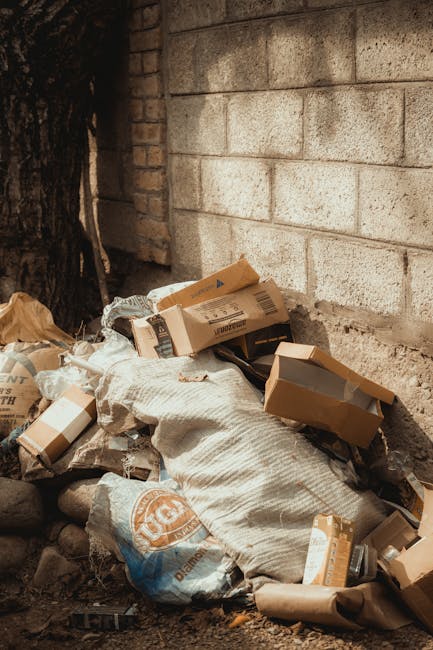
Business premises generate waste in different ways, and the right removal service depends on what has accumulated and how accessible it is. Some jobs are shaped by regular clean-outs, while others happen after reorganising a unit, refurbishing an office or closing a storage area. We can remove a range of non-hazardous items from commercial settings, including desks, chairs, cabinets, cardboard, plastic packaging and general mixed rubbish. The service is designed to support practical clearance rather than long explanations or unnecessary disruption.
If you need to clear a working environment with care, it helps to think in terms of zones and item types. Separating reusable items from waste can make the collection more efficient, especially where furniture or equipment may need to be moved from more than one room. For businesses handling confidential material, the company also lists confidential shredding, which can be relevant where paper records are part of the clearance. That keeps sensitive paperwork separate from general waste streams.
Simple preparation is usually best. Keep aisles open where possible, stack lighter materials safely and make a note of anything awkward, heavy or restricted by access. If the clearance involves several categories of waste, a short written description helps avoid confusion and supports a more accurate quote. A concise enquiry is often enough to begin: tell us what needs removing, where it is located and whether loading access is straightforward.
Office clearance and workplace furniture removal
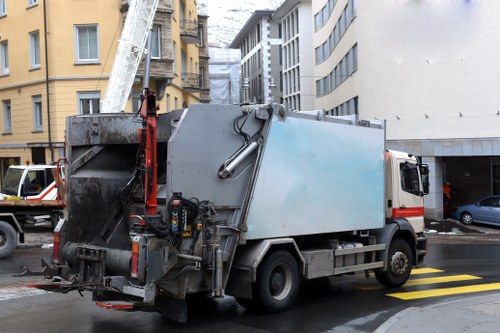
Office clearance is often more than taking away a few unwanted items. It can involve desks, meeting tables, task chairs, storage units, small fixtures, IT-related clutter and general contents from cupboards or store rooms. In some cases, the work is linked to reconfiguration rather than closure, so the focus is on removing only what is no longer needed while keeping the remaining furniture and fittings undisturbed. Our approach is practical and suited to occupied or partially occupied premises.
Workplace clearances often benefit from an orderly sequence. The items closest to entrances may go first, or the heaviest objects may be planned for removal before smaller bags and loose materials. If your premises contain a mix of furniture and general waste, it is sensible to group similar items together so the collection can be handled cleanly. For broader support across office-related waste, you may also want to review business waste removal alongside office clearance before requesting a quotation.
Useful details for a workplace quote are usually simple: the type of premises, the approximate volume of waste, whether there are stairs or lifts, and whether any large items need dismantling before removal. It is usually enough to provide those points in one message. If you are ready to move ahead, a short request for a quotation is the quickest way to start the process. When access is straightforward, the job can be planned with minimal interruption to normal work.
House, flat and loft clearances
Although the main focus here is commercial waste removal, the same team pages also cover domestic-style clearances such as house, flat and loft removal. These pages are relevant where a business property contains mixed contents, inherited items, stored household goods or furniture left behind after a move. The key difference is often in the layout rather than the material itself: narrow stairs, top-floor rooms and packed storage spaces can all affect how a clearance is organised.
For properties with bulky domestic items, the service pages on house clearance, flat clearance and loft clearance show the main categories covered. That can be helpful where an estate agent, landlord, property manager or business owner needs a mixed-content clearance rather than a routine waste collection. Large furniture, bags of miscellaneous items and boxed storage can often be grouped before removal to make the process simpler.
If the job includes several areas of a property, identify which rooms contain the items to be removed and note anything that might be difficult to carry. A quick description of access points, parking arrangements and lift availability can also help shape the quotation. The aim is to make the service predictable, not complicated: clear information, sensible planning and a collection that fits the property.
Specialist bulky item disposal
Some collections are best approached as item-specific removals rather than broad clearances. Bulky pieces such as old sofas, mattresses, white goods and broken furniture need the right loading method and enough space for safe handling. Where the item list is short, a targeted disposal service can be more practical than arranging a full clearance. That is especially true when a workplace or landlord only needs a few large objects taken away.
Relevant pages include furniture disposal, furniture clearance and mattress and sofa disposal. These topics suit customers who want to remove one type of bulky item in a neat, organised way. If appliances are involved, the dedicated fridge and appliance removal page may be more appropriate, especially where the items are heavy or awkward to manoeuvre through tight corridors.
A focused disposal job usually starts with an item count and a sense of where everything is stored. Photos can be useful, particularly for oversized objects or awkward access, but they are not mandatory in every case. If you know the sizes, floor level and quantity, that may be enough for a sensible quotation. A simple request is often all that is needed to keep the process moving.
Waste from garages, gardens and external storage
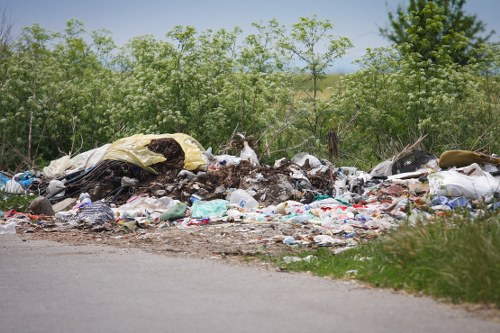
Commercial sites do not only accumulate waste indoors. Garages, service yards, bin stores, external cupboards and garden areas can gather broken materials, packaging, old tools and unwanted equipment over time. These spaces often contain mixed items that need sorting before removal, especially where the contents are weathered or have been left for a long period. The service pages for garage clearance and garden clearance are useful when the waste is stored outside the main building.
External clearance work can include timber offcuts, damaged shelving, plant waste, broken containers, rusted metal, sacks of debris and general rubbish that has been moved out of the building but not yet dealt with properly. In commercial settings, this can be part of seasonal maintenance, refurbishment preparation or the clearing of surplus stock. If the site also contains old furniture or mixed household-type items, a wider home clearance page may still be relevant for understanding the service range.
Access matters more in these spaces than many customers expect. Gates, narrow side passages, uneven ground and distance from the road can all influence how the collection is planned. A brief note on the type of waste and where it is located is usually enough for a quotation, and it avoids unnecessary back-and-forth. If the pile is mixed, describe the main categories rather than trying to classify every single object.
Appliances, hazardous materials and safety-led decisions
Not every waste type belongs in the same collection. Heavy appliances, items containing refrigerants, chemical residues or potentially hazardous materials may need to be assessed separately before removal. The website includes pages for fridge and appliance removal and hazardous waste disposal, which helps customers choose the right route when the contents are more specialised than ordinary office or household waste. These options matter because the method of disposal should match the material.
Where safety is the main concern, the information pages on insurance and safety and health and safety policy may be useful background reading before booking a collection. They help explain the kind of careful approach that should be considered when lifting, transporting or segregating awkward materials. For routine waste removal, the practical rule is simple: if an item may need special handling, say so early rather than leaving it until collection day.
Good quotation details for this type of work usually include the item description, how many pieces there are and whether they are still connected to services or fixed into place. If anything is unusually heavy, damaged or awkward, mention it plainly. That allows the quote to reflect the job honestly. A brief written summary is usually more helpful than a long explanation of why the items are there.
About Mill Hill
Mill Hill is an area in the London Borough of Barnet, in north-west London, with a character shaped by a mix of older village origins, suburban development and open green space. Historically, it grew from a settlement known for its position on higher ground, and its name reflects the use of the hilltop landscape over time. The area includes Mill Hill Broadway as a focal point, along with residential streets, local shopping parades and routes that connect it to nearby parts of north London. The balance between built-up neighbourhoods and wider open land is one of its defining features. Mill Hill Village retains a more traditional feel than some of the surrounding districts, while later growth introduced more varied housing and institutional buildings.
One of the best-known local landmarks is Mill Hill School, founded in the 19th century and set within extensive grounds that contribute to the area’s semi-rural reputation in places. Nearby, the wider landscape includes sections of the Totteridge Valley and other green corridors that provide visual relief from the denser parts of north London. The area is also associated with the former RAF Mill Hill site, whose legacy forms part of the district’s 20th-century history. Roads, playing fields and local parks create a patchwork of uses rather than a single uniform centre, so the place reads as a layered suburb with older traces still visible. Its setting on elevated ground gives some streets longer views than are common in inner London, and that topography helps distinguish it from flatter neighbouring districts.
Pricing, planning and practical collection details

Quotation work is usually easiest when it is based on a clear description of the waste, the location and the amount that needs removing. Pricing can vary according to volume, access, sorting requirements and whether the items are straightforward mixed waste or heavier bulk materials. The pages on pricing and quotes and book online are useful if you want to move from an initial estimate to a confirmed request. The process is intended to stay simple rather than formal or time-consuming.
Planning a collection does not need to be complicated. If the waste is spread across more than one room or storage area, a short inventory can help identify the main groups. The list below shows the kind of information that is often useful:
- the types of waste or items to be removed
- approximate quantity or number of bags, boxes or pieces
- floor level, lift access and any narrow entry points
- whether the items are loose, stacked or fixed in place
- any special handling concerns, such as weight or fragility
If the job is straightforward, a concise enquiry is enough. If it is more involved, the extra detail helps avoid delays and supports a more accurate quotation. You do not need to over-explain; a short description in plain language is usually the best approach. For the final step, a simple request for a quotation is all that is needed.
Recycling, reuse and responsible disposal choices
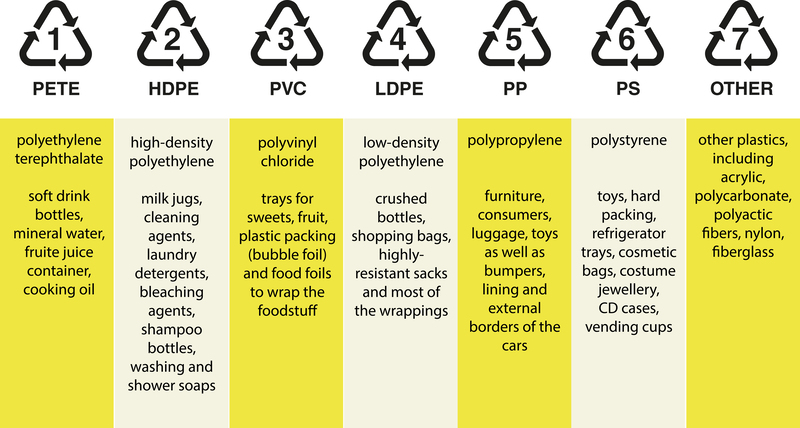
Many customers want their waste removed in a way that also makes sense for the contents themselves. Where suitable, materials may be separated so that recyclable or reusable items are kept distinct from general rubbish. The page on recycling and sustainability gives a useful overview of this part of the service. It is especially relevant where a clearance contains cardboard, metal, wood, office furniture or mixed items that can be sorted before final disposal.
Responsible disposal is not only about environmental language; it is also about good organisation. Keeping categories apart can reduce confusion during the collection, particularly when a site contains both reusable fixtures and unwanted waste. That is why clear labelling, grouping and pre-sorting can help. If a clearance involves confidential papers, old records or sensitive material, the separate shredding route is more appropriate than placing those items with ordinary rubbish. Choosing the right path at the outset makes the collection more efficient and more straightforward to manage.
When you are ready, use the service pages to decide whether you need a general collection, an item-specific disposal or a fuller clearance. If you want help with the first step, the contact route is plain and direct: send a short description of the waste and ask for a quotation.
Choose the right page for your waste removal
Not every clearance needs the same service page, and choosing the right one can make the quotation more useful. General waste removal suits mixed collections; office clearance works well for desks and workplace contents; and furniture or appliance pages are better when the job is dominated by bulky items. If you are unsure which category fits best, start with the broad service and describe the material in everyday terms. That gives room to adjust the collection to the actual job rather than forcing the waste into the wrong box.
The pages listed across the site are there to help customers compare the main service types before they enquire. For larger mixed clearances, waste removal remains the broadest option, while more specific jobs can be matched to pages such as builders waste clearance or home clearance. The aim is to make it easier to find a sensible route without overcomplicating the booking process. If you are dealing with a premises that has more than one kind of waste, a plain description is usually enough.
To finish, keep the request short, accurate and specific to the items involved. We can then provide a quotation based on the information you give. Ask for a quote today.